.png)
6000 Kms | 11 States | 20 Rivers

Updated: Jun 7
Not every classroom has four walls. Not every lesson comes from a textbook. And emotions cannot be truly understood without experience.
Sometimes, the best school is the road, the best teacher is nature, and the deepest learning happens when children are allowed to see, question, feel, and experience life directly.

Our 6000+ km road trip was not just a family adventure; it was a moving classroom.
We crossed 11 states, passed through 15+ tunnels, travelled across 20+ rivers, and experienced temperatures shifting from 40°C to nearly 0°C and back. We moved through cities, villages, highways, valleys, mountains, cold deserts, borders, temples, and war memorials.
Along the way, we crossed and followed rivers such as Godavari, Penganga, Wardha, Narmada, Betwa, Chambal, Yamuna, Sutlej, Beas, Chandra, Bhaga, Chenab, Indus, Zanskar, Shyok, Suru, Dras, Sind, Jhelum, Tawi, and Ravi.
But beyond the distance, rivers, tunnels, and mountains, the real journey was inward — deep into the self.
Geography Became Real
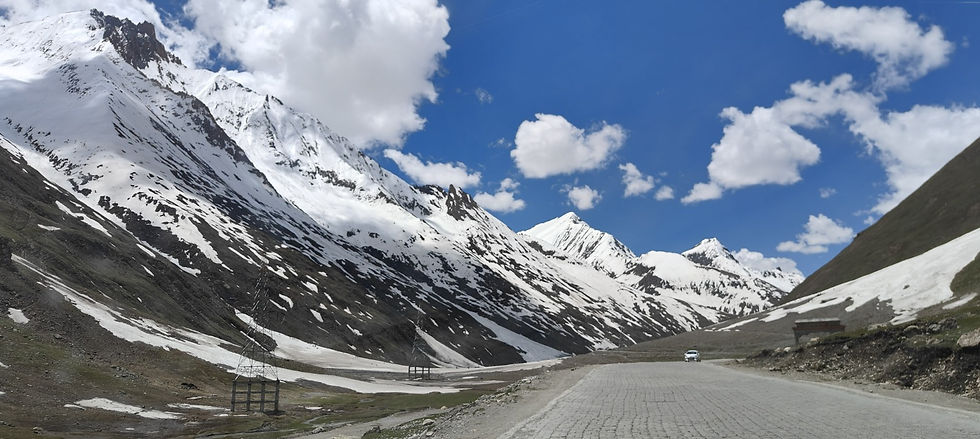
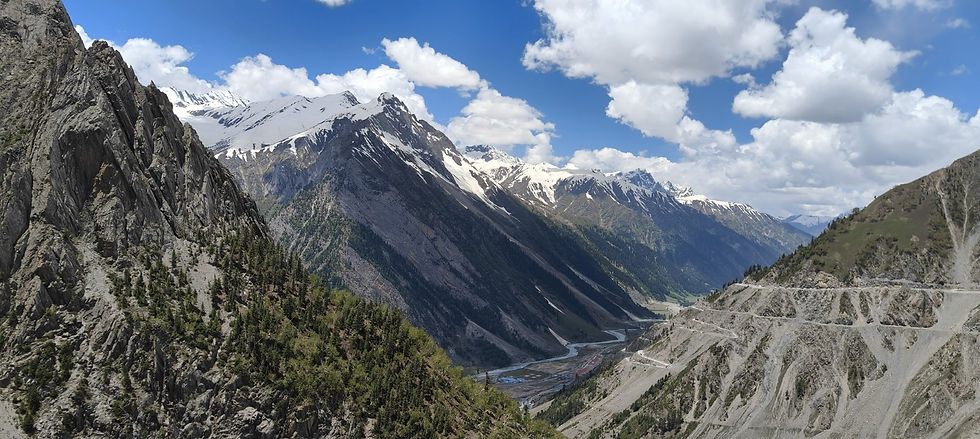
In school, children read about mountains, rivers, passes, valleys, deserts, borders, and states. On this journey, they did not just study geography — they lived it.
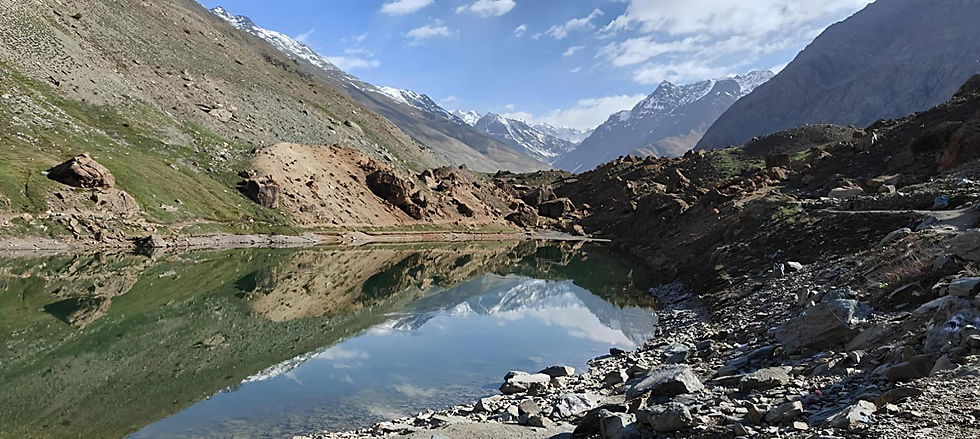
They saw plains turning into valleys, roads climbing into the Himalayas, and rivers flowing beside us like lifelong companions.
Maps became real. Rivers became stories. Mountains became teachers.
That is the beauty of Road schooling: children do not just learn to remember; they learn to connect.
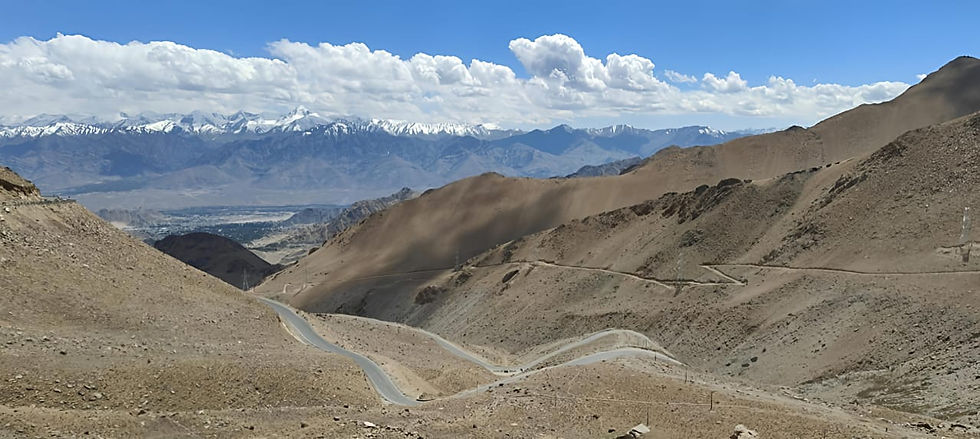
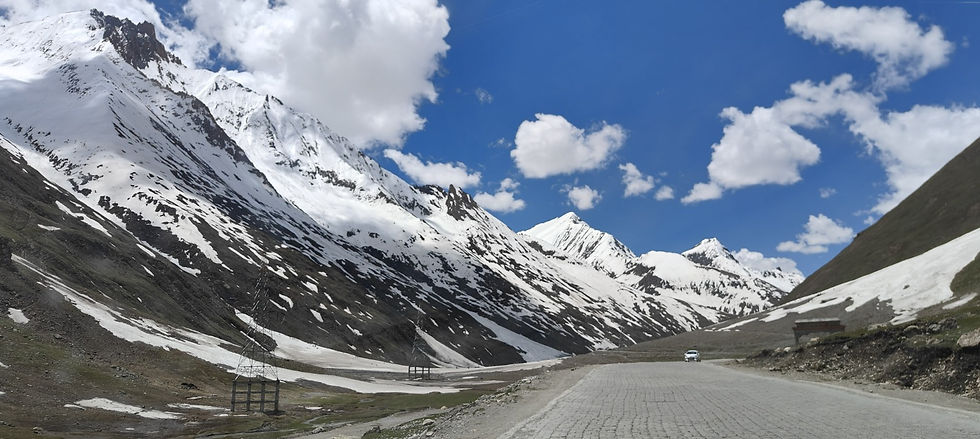
Manali–Leh Road: A Lesson in Patience

The road was not always smooth — some stretches were broken, narrow, risky, and yet breathtakingly beautiful.
It demanded focus, patience, and respect for nature. One careless moment could change everything.
That road taught the children a lesson no textbook can fully teach: life is never a smooth, straight road forever. Patience is not something we explain; it is something we practice when roads are rough, plans change, and nature asks us to slow down.



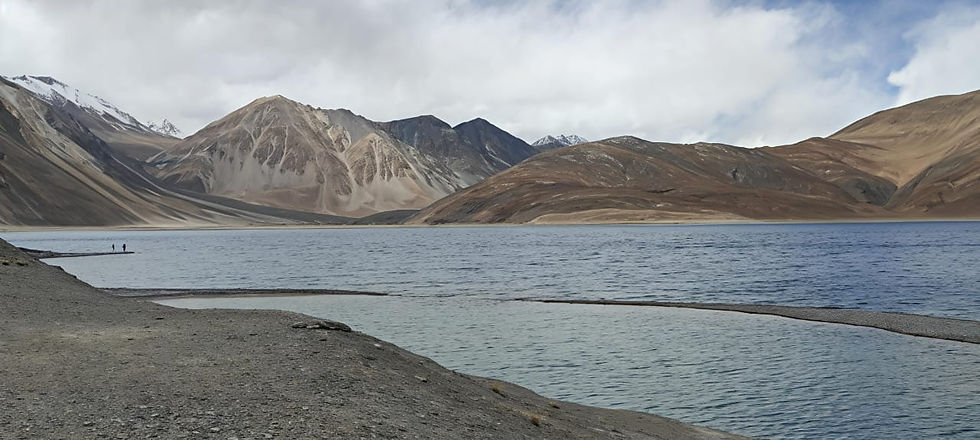
Pangong Lake: Silence as a Teacher
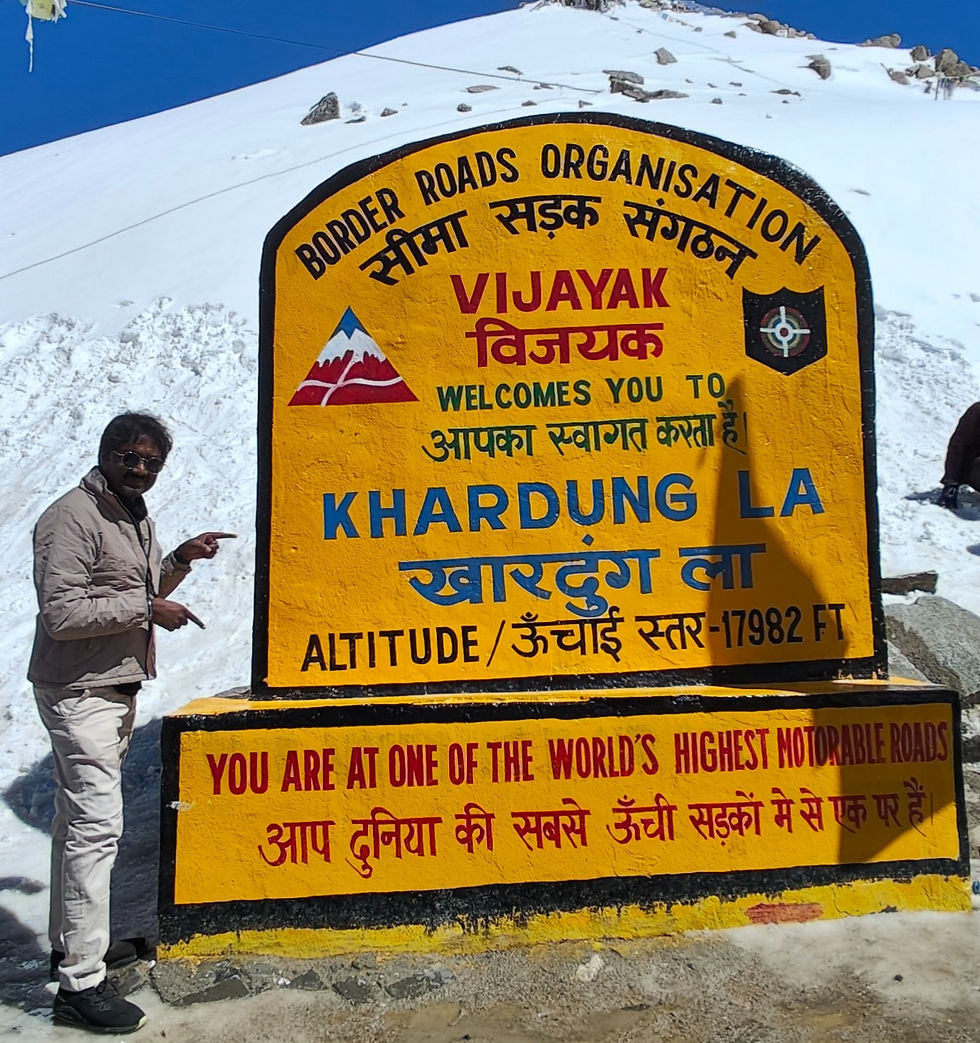
The road to Pangong Lake felt like travelling to another world. The mountains stood silently, the air became thinner, and the blue water appeared like a dream in the middle of vast emptiness.
Children today grow up surrounded by noise — screens, instructions, schedules, exams, and constant comparison.
Pangong taught a different lesson: silence also educates.
It teaches observation. It teaches stillness. It teaches inner listening.


Hunder Sandunes
A desert can exist among mountains. Sand dunes in the middle of cold mountains felt almost impossible. Cold and sand can live together.
The real adventure: World Highest Bungee Jumping site 190ft, Altitude 10,500ft

One of the most unforgettable moments of the trip was doing a bungee jump with my children.
Standing at the edge, fear was real. The heart was racing, the mind was questioning, and the body wanted to step back.
Courage is taking the leap despite fear, with trust and awareness.
Sometimes the best gift we can give our children is not protection from every fear, but the confidence to face fear with courage.
History Was No Longer a Chapter
Kargil war memorial, Attari wagh Indo-Pak border, Jalian wala bagh
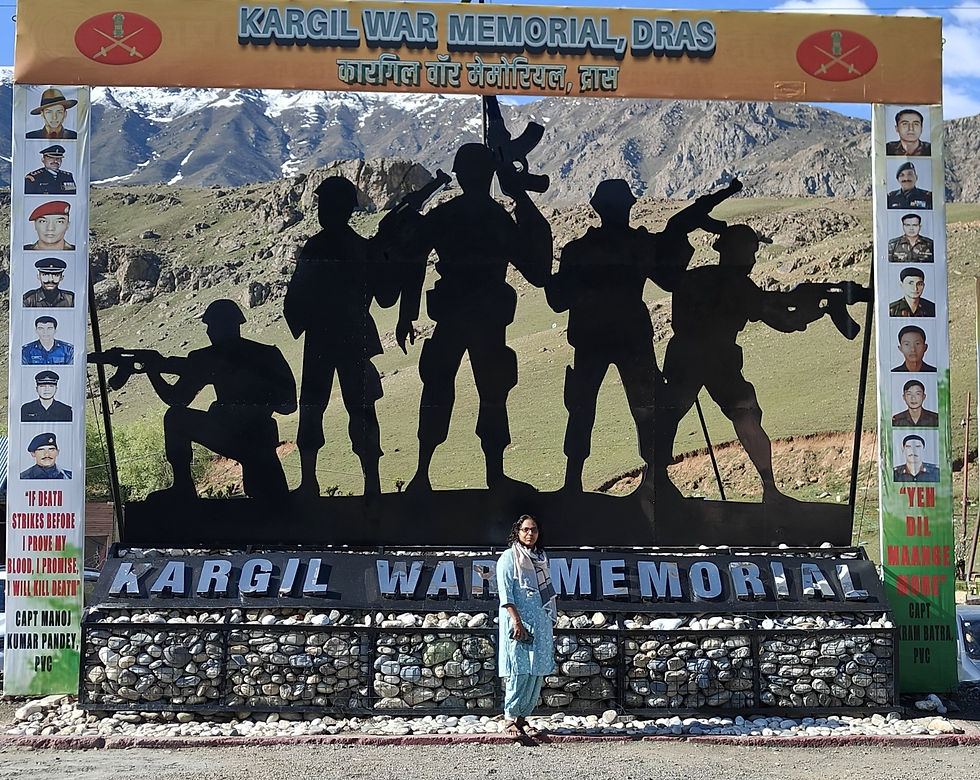
The Kargil War Memorial was not just a monument. It was a place of sacrifice. It helped the children understand courage, duty, discipline, and the cost of freedom.
Attari Wagh Indo Pak border.
The Attari–Wagah Border was not just an event. It was patriotism felt in the chest. The energy, the flag, the soldiers, and the crowd turned the idea of a nation into an emotion.


Two flags, two nations — sometimes standing like brothers, sometimes facing each other like enemies. It made me wonder how one line drawn on a map could divide people, emotions, memories, and humanity.
Final Takeways:
Roads are never smooth forever, and life is never peaceful forever.
Experince of Altitude, temperature changes, low oxygen, tunnels, mountain roads, river systems, vehicle endurance, body fatigue, and sudden weather shifts were no longer textbook concepts.
Knowledge became experience.
The road also taught us focus.
A traveller must stay alert despite bad roads, bad drivers, noise, and distractions. Life is the same. We cannot control every turn, every person, every delay, or every disturbance, but we can control our awareness, our direction, and our response.
In the end, travel is not only about reaching places. It is about learning how to move through uncertainty with patience, courage, preparation, and calmness.
Signing off
Prashant Penumatsa



Comments